
January 13, 2026
Wedding Day Photo Timeline: A Deep Dive Into Planning Photos Without Stress
Table of Contents
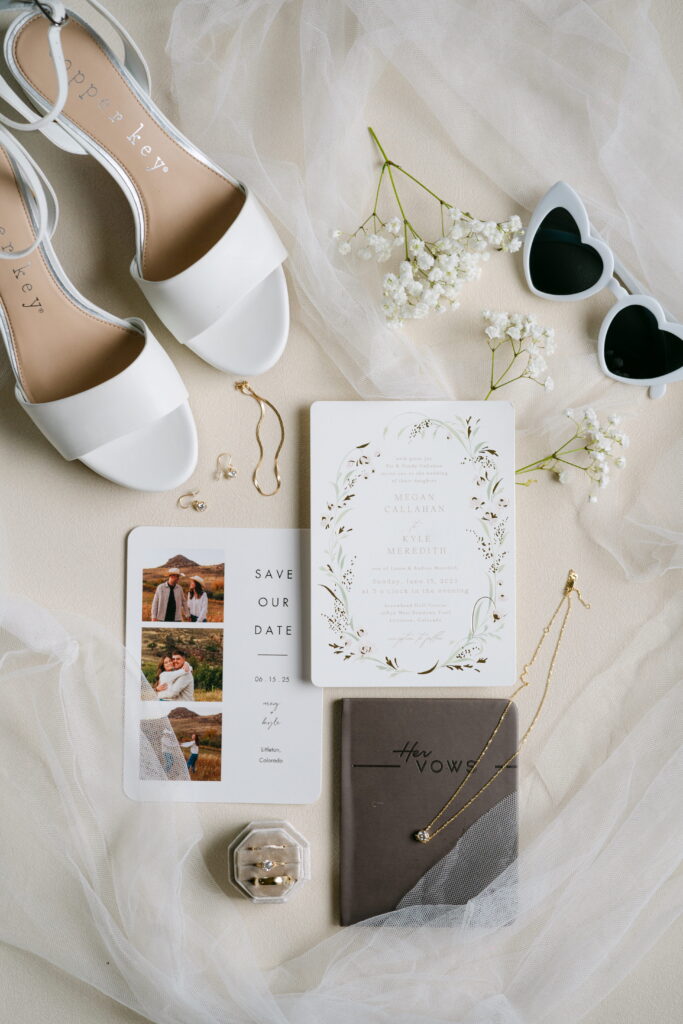
Okay, real talk for a second.
If wedding photos ever feel rushed, awkward, or chaotic, it’s almost never about the photographer.
It’s the photo timeline.
And here’s what I think… most timelines fail because they’re built around the wedding schedule instead of how photography actually works.
So let’s fix that.
This isn’t a big-picture wedding planning post. You’ve got that covered already.
This is a true deep dive into how wedding photo timelines are built, why certain blocks take longer than expected, and how to plan photos so they feel calm, intentional, and natural.
If you’re still figuring out the overall flow of the day, start with this guide to wedding day timeline examples before mapping out your photo timeline.
What a Wedding Day Photo Timeline Is (And Why It Matters)
A wedding day photo timeline isn’t just a schedule.
It’s a protection plan.
It protects:
- Real moments from being rushed
- Your energy (this matters more than you think)
- Lighting that flatters instead of fights you
And honestly? A good photo timeline should feel invisible on the wedding day.
No clock-watching. No stress spirals.
Just flow.
The Biggest Wedding Day Photo Timeline Mistake
You won’t believe this, but the most common mistake is trying to minimize photo time.
I hear things like:
- “We don’t need that many photos.”
- “We want it quick and efficient.”
Totally fair.
But here’s the thing — photos take time because moments take time.
Walking.
Gathering people.
Transitioning between emotions.
Those things don’t show up on Pinterest timelines.
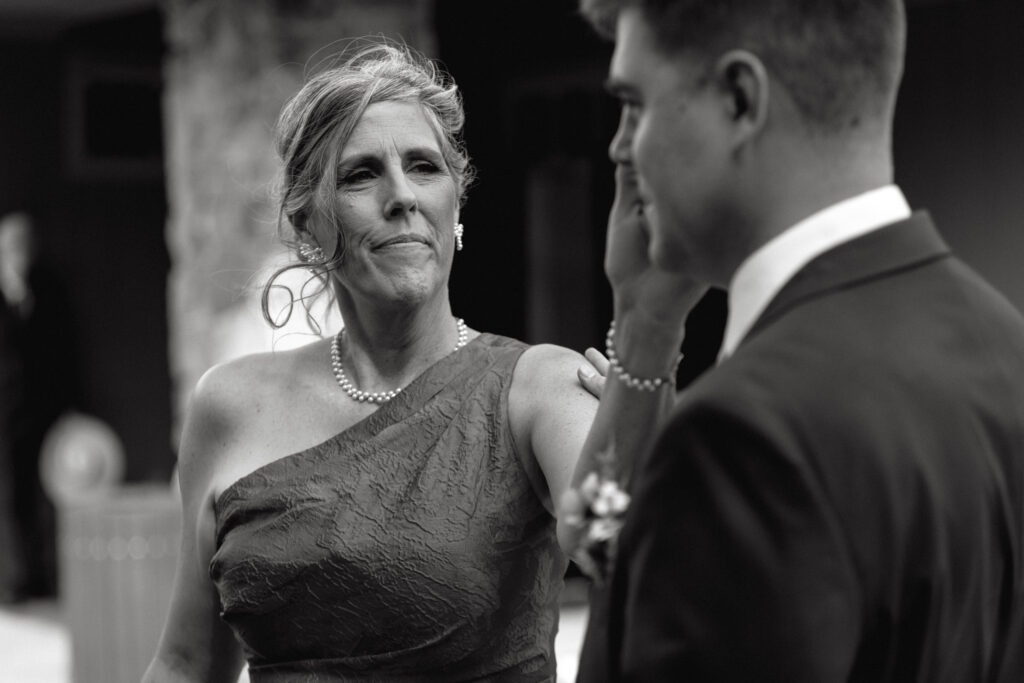
How Photographers Build a Wedding Day Photo Timeline
Let me pull back the curtain a bit.
When I build a wedding day photo timeline, I start with four things:
- Light (direction, quality, sunset time)
- Movement (how long it takes to physically get places)
- People logistics (family + wedding party dynamics)
- Energy flow (when couples feel best)
Notice what’s missing?
Rigid time blocks.
Because great photo timelines flex.
How a Second Shooter Affects a Wedding Day Photo Timeline
Here’s something couples don’t always realize.
A second shooter doesn’t just mean more photos — it changes how the timeline functions.
With two photographers:
- Getting ready photos can happen in two places at once
- One photographer can stay with the couple while the other captures guests
- Family photos move faster because coverage is split
- Transitions feel less rushed because no one has to sprint across the venue
Without a second shooter, timelines need more buffer — especially if getting ready locations are separate.
So when I suggest a second photographer, it’s usually about protecting the flow of the day, not adding complexity.
Can you do a wedding with one photographer? Absolutely.
But when timelines are tight, a second shooter creates breathing room — and that’s often the difference between calm photos and chaos.
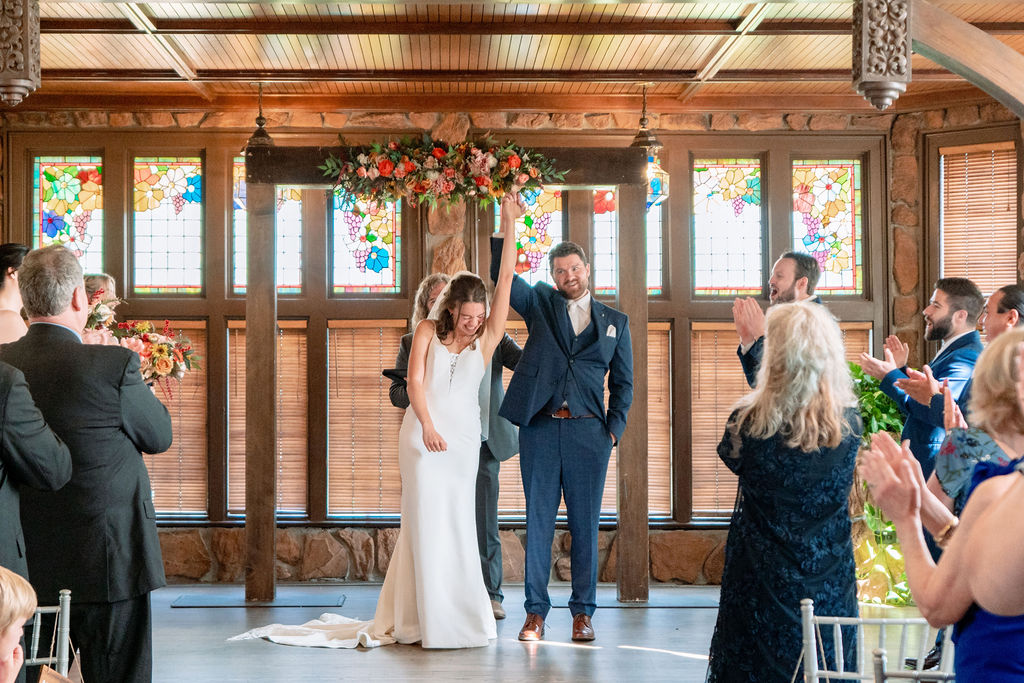
How Long Wedding Photos Take on a Wedding Day
This is where we get specific.
Getting Ready Photos
60–90 minutes
Not because we’re slow — but because:
- Details take setup time
- Hair and makeup don’t finish on schedule
- The best moments are unscripted
Rushing this part sets the tone for the entire day.
First Look + Couple Portraits
30–45 minutes
Here’s what I think… first looks deserve breathing room.
You need time to:
- Be present
- Reset emotionally
- Let nerves settle
Fifteen minutes only works if you want photos that feel tense.
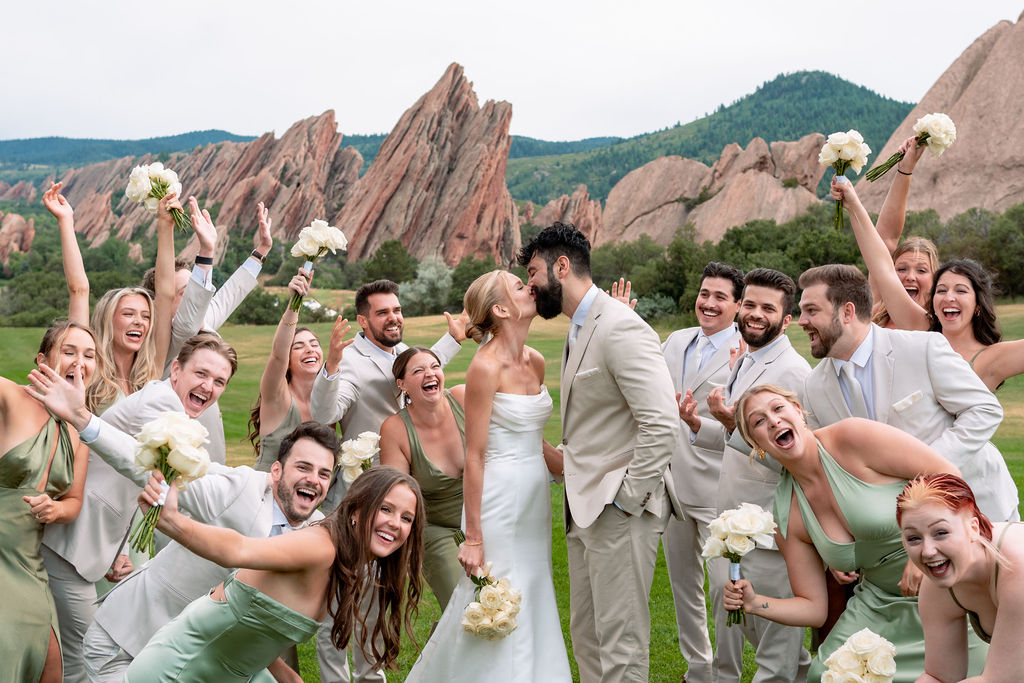
Wedding Party Photos
25–30 minutes
This time isn’t about posing.
It’s about gathering humans.
And humans take time.
Family Photos
30 minutes (minimum)
Family photos move fast — until they don’t.
This block works when:
- Groupings are pre-planned
- Someone helps wrangle people
- No one feels rushed
Wedding Day Photo Timeline Examples (Built the Way Photographers Do)
These aren’t Pinterest timelines.
These are real-world photo timelines.
Photo Timeline With a First Look
- 12:00 PM – Getting ready photos begin
- 1:30 PM – First look
- 1:50 PM – Couple portraits
- 2:30 PM – Wedding party photos
- 3:00 PM – Family photos
- 3:40 PM – Buffer / hide before ceremony
- 4:30 PM – Ceremony
- 6:30 PM – Golden hour portraits (10–15 minutes)
Why this works:
- No rushing
- Built-in buffers
- Photos spread throughout the day
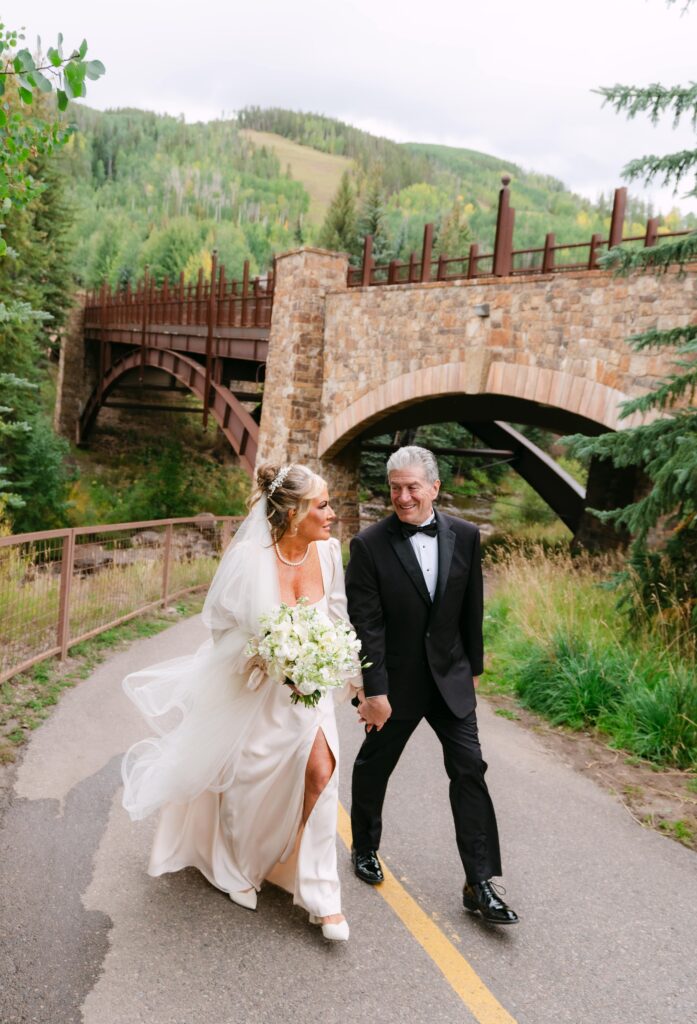
Photo Timeline Without a First Look
- 1:00 PM – Getting ready photos
- 3:30 PM – Ceremony
- 4:00 PM – Family photos
- 4:30 PM – Wedding party photos
- 5:00 PM – Couple portraits
- 5:45 PM – Reception entrance
- 7:00 PM – Golden hour portraits
Tighter? Yes.
Doable? Also yes — when expectations are clear.
Why Buffer Time Is Critical in a Wedding Day Photo Timeline
Well… buffer time is what saves the day.
It absorbs:
- Late hair and makeup
- Missing family members
- Unexpected emotions
Without it, every delay feels like a disaster.
With it, no one even notices.
How Light and Sunset Affect a Wedding Day Photo Timeline
This matters more than most people realize.
Midday light is harsh.
Late afternoon light is directional.
Golden hour is soft and forgiving.
So when couples ask, “Can we just take photos whenever?”
The answer is… sort of.
But if you want photos that feel effortless, light has to lead the timeline.
Why Photography Coverage Is More Important Earlier in the Day
Here’s something I really want couples to understand.
The most valuable photo coverage almost always happens earlier in the wedding day, not later.
That’s when:
- Emotions are highest
- Moments are unfolding naturally
- Events are actually happening
- Light is at its best
Getting ready moments only happen once.
First looks can’t be repeated.
Ceremony reactions are completely unfiltered.
And once cocktail hour ends? Most of the big, unrepeatable moments are already behind you.
Late-night coverage can be fun — but it doesn’t usually add new story elements unless something specific is planned.
So when couples ask, “Should we add more coverage at the end of the night?” the real question is:
What’s happening during that time?
Because coverage is about moments, not the clock.
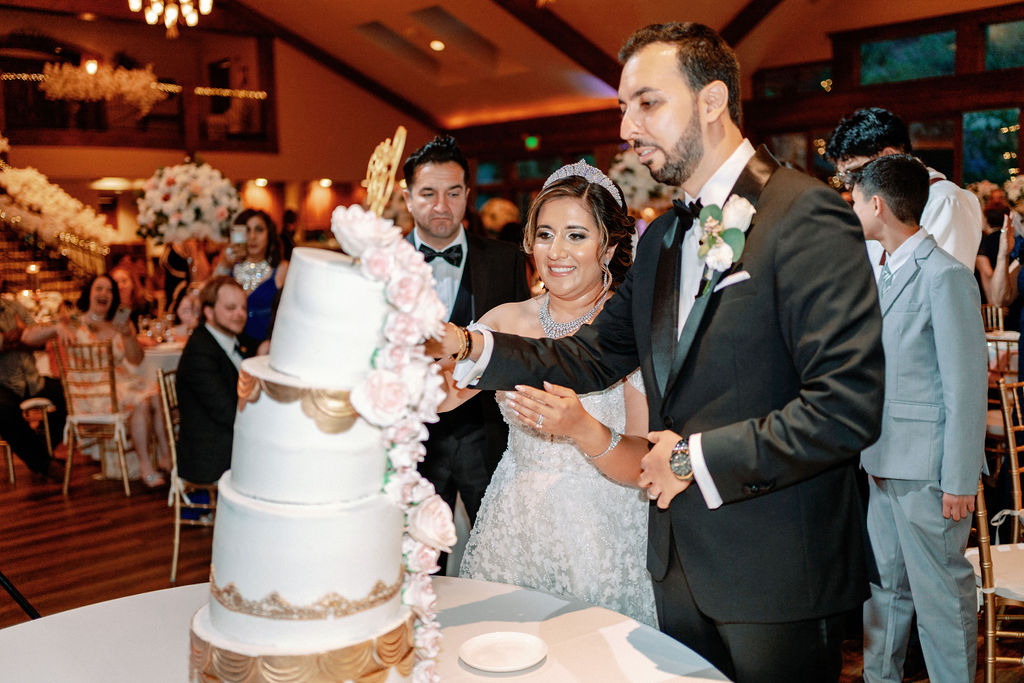
How End-of-Day Coverage Affects Your Final Wedding Gallery
This part surprises people.
Your wedding gallery tells a story — and the strongest stories come from variety, not repetition.
If the last two hours of the night are:
- Open dancing
- Same lighting
- Same group of people
- Same energy
Then the photos don’t change much after the first 30–45 minutes.
That doesn’t mean dance floor photos aren’t important.
It just means that more hours don’t always equal more meaningful images.
Often, couples get more value by protecting coverage earlier in the day — when moments are layered, emotional, and unique — instead of stretching coverage late when things have settled.
Strong endings don’t always mean late endings.
They mean intentional ones.
When Extended Dance Floor Coverage Is Worth It
Of course, there are times when extended coverage at the end of the night makes total sense.
Late-night coverage is worth it if you’re planning:
- Cultural or traditional dances
- Outfit changes
- A grand exit or send-off
- High-energy crowds that don’t slow down
- Special lighting, performances, or surprises
In those cases, staying later adds new moments — not just more of the same.
This is why coverage should always be chosen based on events and energy, not a standard number of hours.
There’s no one-size-fits-all answer.
And that’s a good thing.
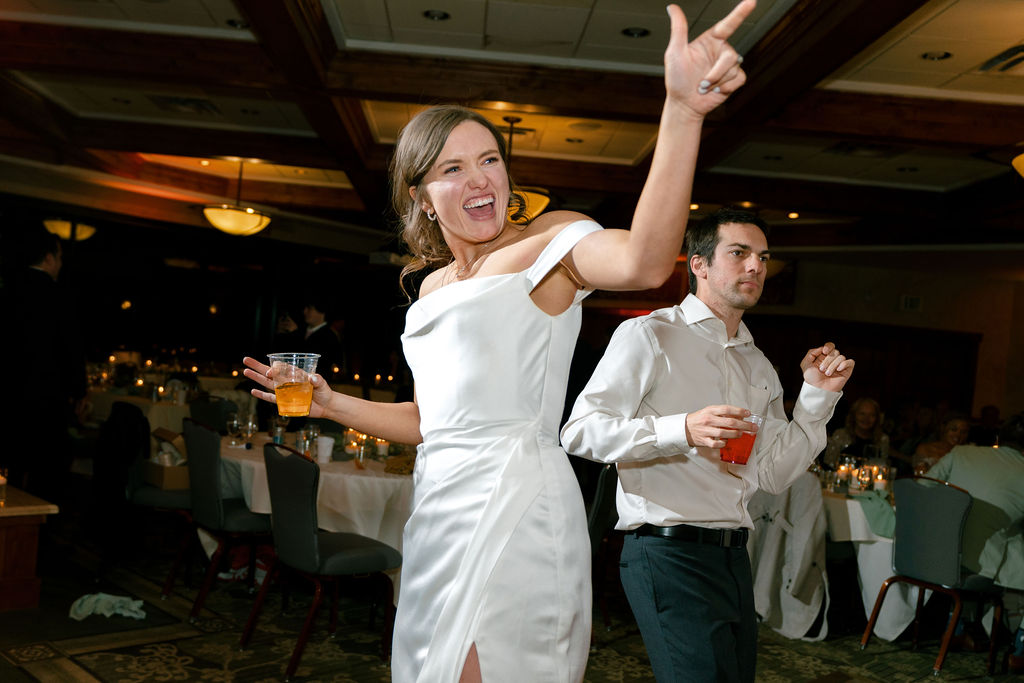
The Problem With Long Gaps and No Planned Events
Here’s something most timelines don’t account for.
Photography thrives on momentum.
When there are long gaps with no planned events — especially late in the day — energy dips, people scatter, and moments slow down.
That doesn’t mean something is “wrong.”
It just means those hours don’t photograph the same way.
This is why thoughtful timelines matter more than long ones.
A well-paced day with intention will always photograph better than a stretched schedule filled with downtime.
At the end of the day, photo timelines work best when they support the experience, not just the schedule.
And that’s where thoughtful planning makes all the difference.
Colorado Wedding Day Photo Timeline Considerations
Colorado adds extra layers.
Mountain travel takes longer.
Sunset shifts fast.
Weather is unpredictable.
So photo timelines here always need more buffer than you think.
FAQ: Wedding Day Photo Timelines
How many hours of photography do I really need?
Most weddings feel best with 8 hours of coverage.
Is a first look better for the photo timeline?
Yes — it creates flexibility and reduces pressure later.
How much time should we plan for couple photos?
At least 45–60 minutes total, split across the day.
Do golden hour photos take long?
No — 10–15 minutes is usually perfect.
Want Help Building a Wedding Day Photo Timeline?
This is one of the most important parts of the planning process — and one of the easiest to get wrong.
I help couples build photo timelines that feel calm, realistic, and intentional. If you’re in the planning stage and want help building a photo timeline that actually works, you’re always welcome to get in touch.
If you’re curious how I approach wedding photography and coverage as a whole, you can see more of my work and philosophy here: wedding photographer in Denver.
So tell me — can you imagine how different the day would feel with a timeline that actually works? 💛